
 New York 20°C
Warehouse operations have become increasingly complex as businesses face growing customer expectations, higher order volumes, and the need for faster deliveries. To remain competitive, many organizations are turning to warehouse automation to streamline processes, improve inventory accuracy, reduce operational costs, and increase overall productivity. From small distribution centers to large fulfillment facilities, automation is transforming the way warehouses operate.
In this guide, you’ll learn what warehouse automation is, explore the different types of automation available, discover the technologies that power modern warehouses, and understand the key benefits of implementing automated solutions. You’ll also find practical implementation tips and answers to frequently asked questions to help you determine the best automation strategy for your business.
What is warehouse automation?
Warehouse automation is the use of technology, software, and automated equipment to streamline daily warehouse operations with minimal manual intervention. It helps businesses improve how they receive, store, pick, pack, and ship products by replacing repetitive tasks with efficient, technology-driven processes. From barcode scanners and warehouse management systems (WMS) to autonomous mobile robots (AMRs) and automated storage solutions, warehouse automation enables faster, more accurate, and more reliable operations.
As supply chains become more complex and customer expectations continue to rise, warehouse automation has become a strategic investment for businesses of all sizes. By reducing human error, increasing productivity, optimizing inventory management, and improving workplace safety, automated warehouses can handle higher order volumes while maintaining operational efficiency. Whether implementing a few automated tools or building a fully automated facility, companies can scale their operations more effectively and stay competitive in today’s fast-paced logistics environment.
You might be interested in: The future of AI: what will actually change over the next decade
Types of warehouse automation
Warehouse automation can range from simple tools that reduce manual work to advanced technologies capable of managing complex warehouse operations with little human intervention. The right solution depends on factors such as warehouse size, order volume, operational goals, and budget. Understanding the different types of warehouse automation helps businesses identify the best approach to improve efficiency, accuracy, and scalability.
Basic automation
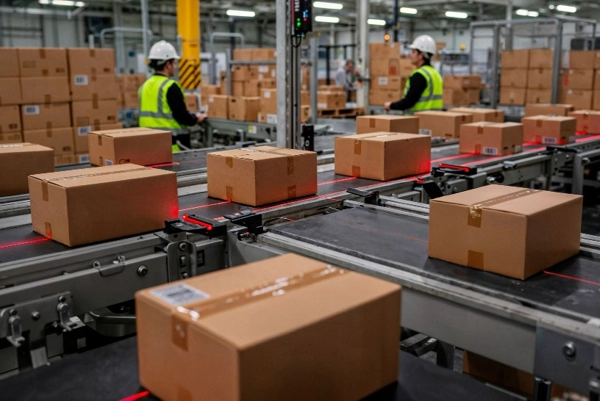
Basic automation refers to the use of simple technologies that reduce repetitive manual tasks and improve the efficiency of everyday warehouse operations. Common examples include barcode scanners, label printers, conveyor belts, and handheld inventory devices. These tools help employees complete tasks more quickly while minimizing errors in receiving, storing, and shipping products.
For many small and medium-sized businesses, basic automation is the first step toward modernizing warehouse operations. It requires a relatively low investment and can deliver immediate improvements in productivity, inventory accuracy, and order processing without significantly changing existing workflows.
System automation
System automation focuses on connecting warehouse processes through software that manages inventory, orders, and workflows in real time. Solutions such as Warehouse Management Systems (WMS), Enterprise Resource Planning (ERP) software, and Warehouse Control Systems (WCS) enable businesses to automate decision-making, monitor inventory levels, and coordinate daily operations more efficiently.
By integrating different systems, companies gain greater visibility across their supply chain and reduce the need for manual data entry. This level of automation improves inventory accuracy, speeds up order fulfillment, and provides valuable insights that support better planning and operational decision-making.
Advanced automation
Advanced automation combines intelligent software with automated equipment to perform warehouse tasks with minimal human intervention. Technologies such as autonomous mobile robots (AMRs), automated guided vehicles (AGVs), robotic picking systems, automated storage and retrieval systems (AS/RS), and artificial intelligence work together to optimize material handling and streamline warehouse operations.
This type of warehouse automation is ideal for organizations managing high order volumes or complex logistics processes. Although it requires a larger initial investment, advanced automation significantly increases productivity, enhances workplace safety, reduces operating costs over time, and provides the flexibility needed to scale as business demands continue to grow.
Warehouse automation tools and systems
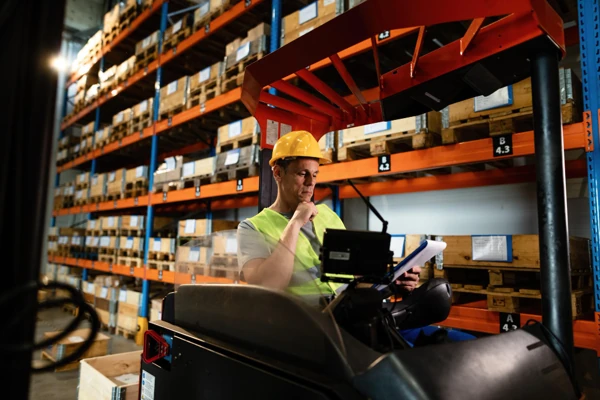
Warehouse automation relies on a combination of software, intelligent equipment, and connected technologies that work together to optimize daily operations. Choosing the right tools depends on your warehouse size, operational complexity, and business goals. Below are some of the most widely used systems that help improve efficiency, inventory accuracy, and order fulfillment.
Warehouse management system (WMS)
A Warehouse Management System (WMS) is the foundation of most warehouse automation strategies. It helps businesses manage inventory, optimize storage locations, track stock in real time, and coordinate picking, packing, and shipping activities. A WMS provides greater visibility into warehouse operations while improving inventory accuracy and operational efficiency.
Enterprise resource planning (ERP)
An Enterprise Resource Planning (ERP) system connects warehouse operations with other business functions such as purchasing, finance, manufacturing, and sales. When integrated with a WMS, an ERP allows information to flow seamlessly across departments, improving decision-making and reducing manual data entry.
Programmable logic controllers (PLCs)
PLCs are industrial computers used to control automated warehouse equipment, including conveyor belts, sorting machines, lifts, and robotic systems. They continuously monitor equipment performance and execute programmed actions to keep warehouse operations running safely and efficiently.
Robotics and autonomous mobile robots (AMRs)
Modern warehouses increasingly rely on robotics to automate repetitive tasks such as transporting inventory, picking products, and moving pallets. Autonomous Mobile Robots (AMRs) navigate independently using sensors and artificial intelligence, allowing warehouses to increase productivity while reducing manual labor.
Barcode, RFID, and IoT technologies
Barcode scanners, RFID tags, and Internet of Things (IoT) sensors provide real-time visibility into inventory movement throughout the warehouse. These technologies improve inventory accuracy, reduce errors, and allow businesses to monitor products, equipment, and warehouse conditions more effectively.
You might be interested in: This is how to style flip flops likea super model Erin Fitzpatrick

Benefits of warehouse automation
Warehouse automation offers more than just faster operations—it helps businesses build a more efficient, accurate, and scalable supply chain. By automating repetitive tasks and optimizing workflows, companies can reduce operational costs, improve inventory management, enhance employee safety, and deliver a better customer experience. These advantages make automation a valuable long-term investment for warehouses of all sizes.
Increased productivity
Warehouse automation allows repetitive and time-consuming tasks to be completed much faster than manual processes. Automated systems can transport, sort, store, and retrieve products with greater speed and consistency, helping employees focus on higher-value activities that require problem-solving or decision-making.
As productivity increases, warehouses can process more orders in less time without sacrificing quality or accuracy. This leads to smoother daily operations, better resource utilization, and the ability to meet growing customer demand more efficiently.
Improved inventory accuracy
Maintaining accurate inventory records is essential for efficient warehouse operations. Automation minimizes manual data entry by using technologies such as barcode scanners, RFID, and warehouse management systems to track inventory movements in real time, reducing the risk of misplaced or missing items.
Greater inventory accuracy helps businesses avoid stock discrepancies, improve replenishment planning, and maintain better control over inventory levels. As a result, companies can reduce waste, prevent stockouts, and make more informed business decisions.
Faster order fulfillment
Maintaining accurate inventory records is essential for efficient warehouse operations. Automation minimizes manual data entry by using technologies such as barcode scanners, RFID, and warehouse management systems to track inventory movements in real time, reducing the risk of misplaced or missing items.
Greater inventory accuracy helps businesses avoid stock discrepancies, improve replenishment planning, and maintain better control over inventory levels. As a result, companies can reduce waste, prevent stockouts, and make more informed business decisions.
Enhanced workplace safety
Warehouse environments often involve heavy lifting, repetitive movements, and the operation of large equipment, all of which can increase the risk of workplace injuries. Automation reduces employee exposure to these physically demanding tasks by assigning them to machines and robotic systems designed to perform them safely.
A safer workplace leads to fewer accidents, lower injury-related costs, and improved employee well-being. It also creates a more productive working environment where staff can focus on supervisory, technical, and value-added responsibilities instead of hazardous manual labor.
Lower operational costs
Although warehouse automation requires an initial investment, it can significantly reduce operating expenses over time. Automated systems help minimize labor-intensive processes, reduce errors, optimize storage space, and improve equipment utilization, leading to more efficient operations.
Lower operational costs also result from better inventory control, fewer product returns caused by fulfillment mistakes, and reduced downtime. Over the long term, these savings contribute to a stronger return on investment and greater financial sustainability.
Better scalability
As businesses grow, warehouse operations must adapt to increasing order volumes and changing customer demands. Automation provides the flexibility to expand operations without relying solely on additional labor or major process changes, making growth more manageable.
Scalable warehouse automation solutions allow companies to integrate new technologies, increase storage capacity, and improve operational performance as their business evolves. This adaptability helps organizations remain competitive while supporting long-term expansion and future supply chain needs.

How do I automate my warehouse?
Implementing warehouse automation requires careful planning to ensure the right technologies align with your operational goals and business needs. Rather than automating every process at once, companies often achieve better results by evaluating their current workflows, identifying improvement opportunities, and adopting automation in phases. A well-planned strategy helps maximize efficiency while ensuring a smoother transition for both operations and employees.
Evaluate your current warehouse
The first step toward successful warehouse automation is understanding how your current operations perform. Analyze your existing workflows, inventory management processes, order fulfillment times, and common bottlenecks to identify areas where automation can deliver the greatest impact. This evaluation provides a clear picture of what is working well and what needs improvement before investing in new technologies.
It is also important to define your business objectives during this stage. Whether your goal is to increase productivity, reduce errors, improve inventory visibility, or support future growth, having clear priorities will help you choose automation solutions that align with your operational needs and long-term strategy.
Choose the right technologies
Not every warehouse requires the same level of automation. The ideal solution depends on factors such as warehouse size, order volume, product types, and budget. Some businesses may benefit from implementing a Warehouse Management System (WMS), while others may achieve better results by adding robotics, automated storage systems, or autonomous mobile robots to streamline more complex operations.
When selecting technologies, focus on solutions that can integrate with your existing systems and scale as your business grows. Investing in flexible and compatible technologies ensures that your warehouse can adapt to changing customer demands without requiring costly system replacements in the future.
Train your team and measure performance
Technology alone does not guarantee success. Employees play a critical role in ensuring warehouse automation delivers its full potential, making proper training essential. Teams should understand how to operate new systems, monitor automated equipment, and respond efficiently to any issues that may arise during daily operations.
After implementation, continuously measure key performance indicators (KPIs) such as order accuracy, inventory accuracy, picking speed, fulfillment time, and operational costs. Monitoring these metrics helps identify opportunities for improvement, optimize workflows, and ensure your automation investment continues to generate long-term value for the business.
You might be interested in: Benefits of physical activity for your body and mind

Frequently Asked Questions
If you’re considering warehouse automation, you likely have questions about costs, technologies, implementation, and the systems that support automated operations. Below are answers to some of the most common questions to help you better understand how warehouse automation works and how it can benefit your business.
How much does warehouse automation cost?
The cost of warehouse automation varies depending on the size of the warehouse, the technologies implemented, and the complexity of the operation. Basic automation solutions, such as barcode scanners or warehouse management software, are generally more affordable, while advanced systems like robotics, AS/RS, and autonomous mobile robots require a larger investment.
Although the upfront cost can be significant, many businesses recover their investment through increased productivity, lower labor costs, fewer errors, and improved operational efficiency. Evaluating your business needs and expected return on investment (ROI) is the best way to determine the right automation strategy.
Is warehouse automation suitable for small businesses?
Yes. Warehouse automation is no longer limited to large distribution centers or global companies. Many small and medium-sized businesses start by automating essential processes such as inventory tracking, barcode scanning, or warehouse management, allowing them to improve efficiency without making a major investment.
As the business grows, additional automation technologies can be introduced gradually. This scalable approach enables smaller companies to remain competitive while improving productivity and customer service at their own pace.
What is an ERP vs WMS?
An Enterprise Resource Planning (ERP) system manages company-wide business operations, including finance, purchasing, manufacturing, sales, and accounting. A Warehouse Management System (WMS), on the other hand, is specifically designed to manage warehouse activities such as inventory control, receiving, storage, picking, packing, and shipping.
Rather than replacing one another, ERP and WMS systems often work together. While the ERP provides a complete view of the business, the WMS focuses on optimizing warehouse performance and ensuring inventory is managed accurately and efficiently.
What is the most popular WMS?
There isn’t a single Warehouse Management System that is considered the best for every business. The right WMS depends on factors such as company size, industry, operational complexity, and integration requirements. Popular solutions include SAP Extended Warehouse Management (SAP EWM), Oracle Warehouse Management, Manhattan Associates, Blue Yonder, and Microsoft Dynamics 365 Supply Chain Management.
When selecting a WMS, businesses should evaluate features such as real-time inventory tracking, reporting capabilities, scalability, ease of integration, and support for future automation technologies.
What is top 3 KPI?
While warehouses track many performance indicators, three of the most important KPIs are inventory accuracy, order fulfillment accuracy, and order cycle time. Inventory accuracy measures how closely recorded inventory matches actual stock levels, while order fulfillment accuracy evaluates how often orders are shipped correctly. Order cycle time measures the total time required to process and deliver an order.
Monitoring these KPIs helps businesses identify operational inefficiencies, improve customer satisfaction, and measure the success of warehouse automation initiatives. Regularly reviewing these metrics also supports continuous improvement and better decision-making across warehouse operations.

Final Thoughts on Warehouse Automation
Warehouse automation has become a key strategy for businesses seeking to improve efficiency, accuracy, and long-term growth. By combining technologies such as warehouse management systems (WMS), robotics, RFID, IoT, and intelligent software, companies can optimize daily operations, reduce manual errors, improve inventory management, and accelerate order processing. Whether you implement basic automation tools or invest in advanced automated systems, the right solution can transform how your warehouse operates.
The path to automation doesn’t have to be overnight. By evaluating your current processes, selecting the technologies that fit your business needs, and continuously measuring performance, you can build a more productive and scalable warehouse over time.