
 New York 23°C
Winter in New York always brings with it a very cold atmosphere that runs through the streets, longer nights, and a completely different rhythm of life that both residents and visitors don’t easily adjust to. winter in New York is one of the coldest across the entire United States, and its intensity often surprises those who are not fully prepared.
There is something almost cinematic about the way New York transforms during this season, almost like the scenes we’ve seen so many times in Hollywood films. The city takes on a different personality, more quiet yet still alive, more intense yet beautifully structured. But behind this visual beauty lies a real need for preparation, planning, and awareness, which can make the difference between truly enjoying the city or struggling through the harsh consequences of the winter season, especially for those who are not prepared or fail to properly winterize their homes and routines.
You might also be interested in reading: Little and Coloured Phone Monsters of Andrew Rae
When Does Winter Start and End in New York City?
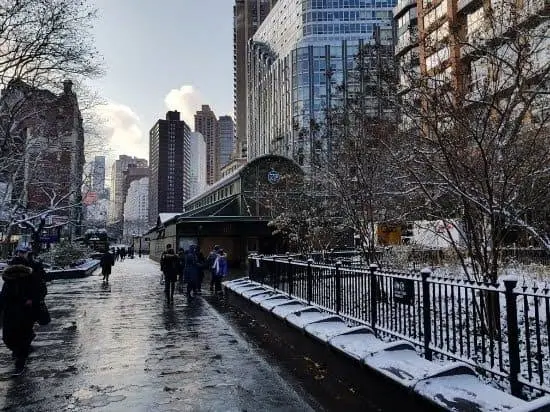
Winter in New York City follows a fairly consistent seasonal pattern, although the exact timing can vary slightly each year depending on weather conditions and cold fronts. In general, winter in New York begins in late November to early December, when temperatures start dropping noticeably and the first cold waves arrive. By this time, the city transitions from late autumn into full winter conditions, with colder winds, shorter days, and the possibility of early snowfall.
The peak of the season usually runs through January and February, which are typically the coldest months of the year. During this period, temperatures often stay below freezing, and snowstorms or icy conditions are more frequent, affecting both daily life and transportation across the city. Winter in New York City usually starts to ease by late March, with early signs of spring gradually appearing. However, cold days can still occur into April, especially during sudden weather changes, before the city fully transitions into warmer conditions. Understanding this timeline helps residents and visitors better prepare for clothing, travel planning, and overall winter readiness in New York City.
Why Preparing for Winter in New York Matters
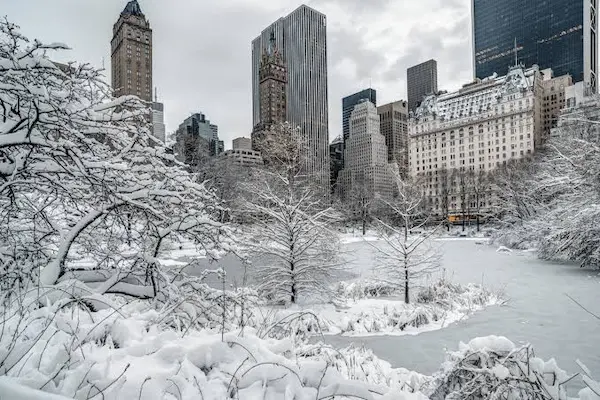
For people living in New York City and surrounding areas, preparing for winter is not just a seasonal recommendation, it is a necessary part of daily life. Winter conditions in NYC can change quickly and often become extreme, affecting safety, transportation, health, and overall mobility across the city. While the city is well-equipped to handle cold weather, the intensity of winter still requires residents to be prepared in advance in order to navigate it safely and efficiently.
Proper preparation helps reduce everyday risks and ensures that both routine activities and unexpected situations can be managed with confidence throughout the season.
Safety and Health Protection
Cold temperatures in New York can become dangerous when people are not properly prepared. Exposure to freezing conditions without adequate clothing or planning can lead to health issues such as hypothermia, frostbite, seasonal flu, and respiratory complications.
For NYC residents, preparation is especially important because daily life does not stop during winter. People still need to commute, work, and move around the city even during snowstorms or extreme cold alerts. Being prepared with proper winter clothing, awareness of weather updates, and basic safety habits helps significantly reduce health risks and improves overall well-being during the season.
Mobility and Transportation Efficiency
Winter weather in New York directly affects how people move through the city. Snow, ice, and freezing rain can slow down walking conditions, delay public transportation, and increase travel times across all boroughs.
For residents, this means that daily commutes require more planning and flexibility. Subways may experience delays, buses can be affected by road conditions, and sidewalks may become slippery or harder to navigate. Preparing in advance ensures smoother mobility, reduces stress during travel, and helps avoid unnecessary disruptions in daily routines.
Better City Experience During Winter
When properly prepared, winter in New York City can be not only manageable but also enjoyable. The city offers unique seasonal experiences such as winter events, holiday decorations, outdoor markets, and iconic snowy landscapes that attract both residents and visitors.
However, without preparation, these same conditions can feel overwhelming. Dressing appropriately, understanding weather patterns, and adjusting daily routines allows people to fully experience the city without discomfort or unnecessary risks. Preparation transforms winter from a challenging season into an opportunity to enjoy a different and iconic side of New York.
How to Prepare for Winter in New York City 2026
Preparing for winter in New York City is not just about having warm clothes, it is about adapting your daily lifestyle to one of the most demanding winter environments in the United States. The key to getting through the season comfortably is combining proper clothing, smart daily habits, and awareness of rapidly changing weather conditions. Small adjustments in your routine can significantly improve your safety, mobility, and overall experience throughout the winter months.
Winter Clothing Essentials
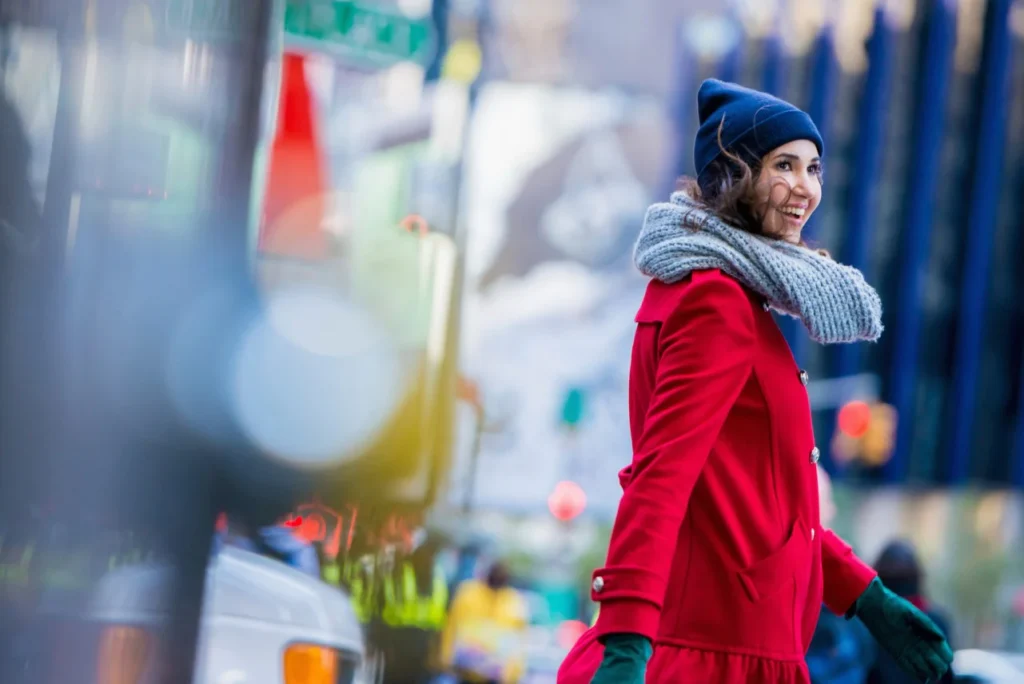
Layering is the most effective strategy for surviving winter in New York City, where temperatures can shift quickly and wind chill often makes it feel much colder than the actual forecast.
To properly prepare, residents should focus on building a reliable winter wardrobe that protects against cold, wind, and wet conditions:
- Thermal base layers to retain body heat throughout the day
- A waterproof and wind-resistant winter coat suitable for snow and rain
- Insulated gloves, scarf, and hat to prevent heat loss from extremities
- Waterproof, non-slip boots designed for icy sidewalks and snow-covered streets
In NYC, the biggest mistake is underestimating wind chill and wet snow. Proper layering ensures you can move comfortably between indoor heating and outdoor cold without sudden temperature shock.
Adapting Daily Routines During Winter
Winter in New York City requires more planning and flexibility in everyday life. Unlike milder climates, small changes in timing and preparation can make a major difference in avoiding delays and staying safe.
Residents are encouraged to adjust their routines in the following ways:
- Allow extra travel time for commuting, especially during snow or icy conditions
- Check weather updates daily, as NYC conditions can change within hours
- Prefer indoor routes or underground subway access when possible to avoid exposure
- Stay hydrated even during cold months, since winter air can be extremely dry indoors and outdoors
These adjustments help reduce stress during peak winter conditions and improve overall mobility across the city.
Home and Indoor Winter Preparation
Preparing your home is just as important as preparing yourself. In New York winters, heating systems work constantly, and proper insulation becomes essential for comfort and energy efficiency.
Residents should focus on:
- Checking and servicing heating systems before peak winter begins
- Sealing windows and doors to prevent heat loss and reduce energy costs
- Keeping emergency supplies ready in case of snowstorms or power outages
- Ensuring flashlights, blankets, batteries, and basic food supplies are available
These preparations are especially important during severe winter storms when movement outside may be limited for several hours or even days.
Transportation During Winter in NYC
Getting around New York City during winter requires a different level of awareness, planning, and flexibility compared to other seasons. Snow, ice, freezing rain, and sudden weather changes can significantly affect how people move across the city, whether they are commuting to work, running errands, or traveling between boroughs. While NYC has one of the most resilient transportation systems in the world, winter conditions still create delays, safety risks, and adjustments that residents need to be prepared for.
Understanding how each transport option behaves during winter helps reduce stress and improves daily mobility throughout the season.
Subway and Public Transport Conditions
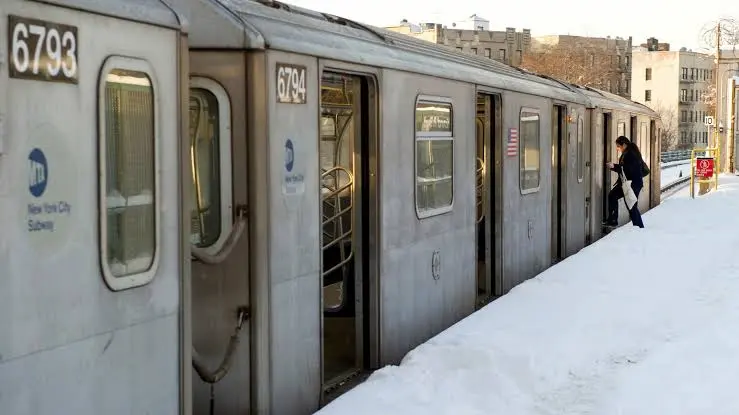
The subway remains the most reliable transportation option during winter in New York City, as it operates underground and is less affected by surface weather conditions. However, even the subway system is not completely immune to winter disruptions.
During heavy snowfalls or extreme cold events, delays, signal issues, and service changes can occur, especially on above-ground lines. Station access can also become more difficult due to snow-covered entrances or icy stairs.
To prepare effectively, NYC residents should:
- Expect longer wait times during storm alerts
- Use real-time transit apps before commuting
- Enter stations early to avoid delays caused by crowded platforms
- Allow extra time when transferring between lines
Walking Safety in Snow and Ice
Walking in New York during winter becomes one of the most important daily safety concerns. Sidewalks can quickly turn slippery due to snow accumulation, freezing rain, or melted ice refreezing overnight.
Because walking is unavoidable for most residents, especially when connecting to public transport, proper preparation is essential.
To stay safe, residents should:
- Wear shoes with strong grip or anti-slip soles
- Walk slower than usual and avoid sudden movements
- Use handrails on stairs whenever available
- Avoid shortcuts through untreated snowy areas
- Be especially cautious during early mornings when ice is most common
In NYC, most winter injuries happen during simple daily walks, making awareness a key part of safety.
The Dangers of Winter in the City
Winter in New York City is not only about cold temperatures and snow-covered streets—it also brings a series of real risks that residents must be aware of in their daily lives. While the city is well-prepared to handle harsh weather conditions, the combination of freezing temperatures, heavy snowfall, and fast-paced urban movement creates situations that can quickly become dangerous if people are not properly cautious.
Understanding these risks is essential for anyone living in or navigating New York during the winter season, as most incidents occur not because of extreme storms alone, but due to everyday exposure to cold and slippery conditions.
Slips, Falls, and Icy Sidewalk Accidents
One of the most common dangers during winter in New York City is slipping on ice-covered sidewalks, stairs, and street corners. Freeze-thaw cycles often create hidden ice patches that are difficult to see, especially during early mornings or late evenings.
These accidents can happen quickly during routine activities such as walking to the subway or crossing intersections. For residents, the risk increases when rushing or wearing inappropriate footwear.
To reduce this risk, caution and proper winter footwear are essential throughout the entire season.
Hypothermia and Extreme Cold Exposure
Extended exposure to freezing temperatures can lead to serious health conditions such as hypothermia or frostbite. This is particularly dangerous for individuals who spend long periods outdoors while commuting or waiting for transportation.
In NYC, wind chill can make temperatures feel significantly lower than what is shown on weather forecasts, increasing the risk of cold-related health issues even during short outdoor exposure.
Proper layering and limiting exposure time are critical to staying safe.
Transportation Disruptions and Stranded Situations
Winter storms can lead to delays or interruptions in subway service, bus routes, and road transportation across the city. While NYC infrastructure is resilient, severe weather can still create temporary shutdowns or slowdowns.
This can result in commuters being stranded longer than expected, especially during sudden snowstorms or freezing rain events.
Residents should always plan alternative routes and avoid unnecessary travel during extreme weather alerts.
Reduced Visibility and Nighttime Safety Risks
Winter in New York also brings shorter daylight hours and frequent weather conditions such as snowstorms or heavy winds that reduce visibility.
Poor visibility increases risks for both pedestrians and drivers, making it harder to see obstacles, traffic signals, or other people on the road. Nighttime conditions can be particularly challenging when combined with icy surfaces.
Being extra cautious during early mornings and evenings is essential during the winter months.