
 New York 15°C

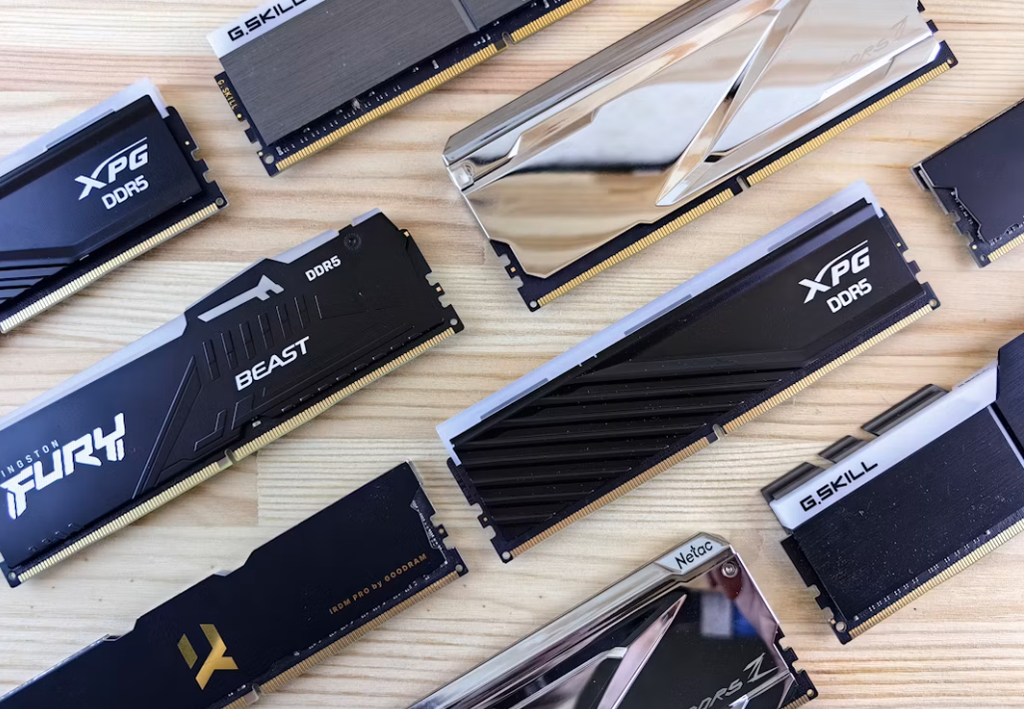
The technology industry is facing a new challenge as artificial intelligence drives unprecedented demand for computer memory. What was once a relatively overlooked component has become increasingly important to the development of AI systems, while manufacturers of smartphones, laptops, gaming devices and other electronics are also competing for the same resources. This growing pressure has led to what many are calling RAMageddon, a global memory shortage that is beginning to affect both the technology industry and consumers.
What Is RAMageddon?
RAMageddon refers to the current global memory shortage and the pressure it is creating across the technology supply chain. The problem is particularly concentrated around DRAM, the type of memory used in computers, smartphones, servers and many other electronic devices. The AI boom has changed the balance of the market. Memory manufacturers are allocating significant production capacity toward high-performance memory used in AI systems, including High Bandwidth Memory (HBM), while demand for conventional DRAM and NAND remains strong.
According to IDC, the expansion of AI infrastructure has contributed to manufacturers shifting capacity toward memory products designed for AI data centers, leaving less supply for PCs, smartphones and other consumer electronics. This is why RAMageddon is not simply about people paying more for a memory upgrade. It is becoming a broader supply-chain problem.
Why Is AI Driving Memory Demand?
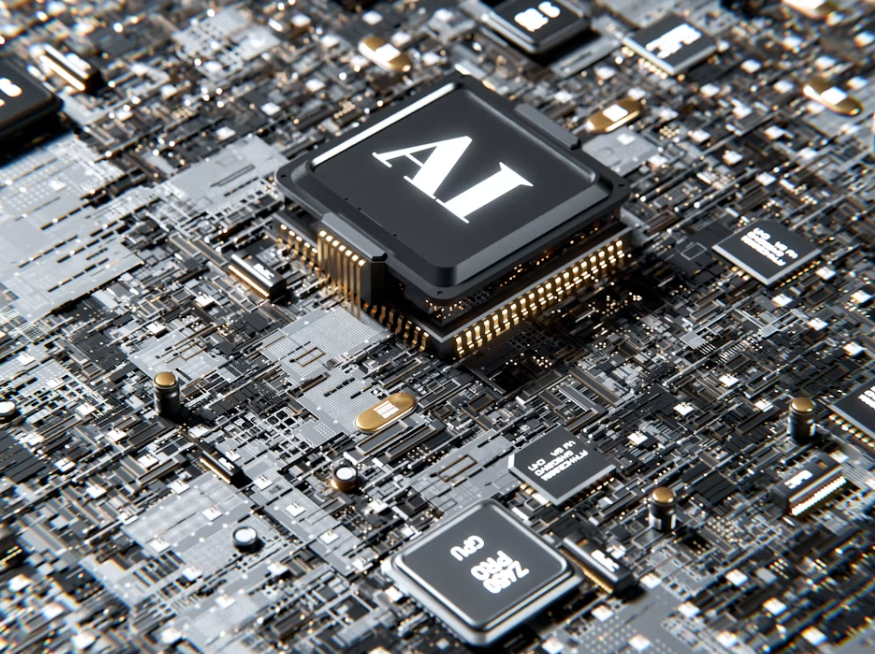
Artificial intelligence requires enormous computing resources. Training and running large AI models involves processing huge datasets and moving massive amounts of information between processors and memory. As AI systems become larger and more sophisticated, the amount of memory required to support them also increases. Data centers are consequently ordering large quantities of specialized memory and server components.
The scale of this demand is important because semiconductor manufacturing capacity cannot be expanded overnight. Building new fabrication facilities requires years of investment, equipment and planning. Deloitte estimates that new memory production capacity being added by manufacturers may not become fully available until 2029 or 2030. That creates a difficult situation: AI infrastructure can expand much faster than the supply chain can increase memory production.
The Shortage Is Reaching Smartphones and Laptops
The effects of RAMageddon are becoming increasingly visible outside the data center. Smartphones and laptops depend on memory just as much as AI servers do, but consumer electronics manufacturers generally have less purchasing power than the companies building massive AI infrastructure. Recent reporting from Reuters found that smaller smartphone and laptop manufacturers are already changing how they design and source devices because of the shortage. Some are placing orders earlier, redesigning components or looking for ways to reuse recovered memory.
The financial impact can also be significant. Gartner estimates that combined DRAM and SSD prices could rise 130% by the end of 2026 compared with 2025. The research firm projects that this could push PC prices up by 17% and smartphone prices by 13%. For consumers, that could mean paying more for a device with similar specifications.
You might be interested in: 20 last minute Halloween costumes
Why Cheaper Devices Could Be Hit the Hardest
Not every consumer will experience RAMageddon in the same way. Premium smartphones and high-end computers have more room to absorb increases in component costs. Budget devices operate with much narrower margins. That makes inexpensive laptops and smartphones particularly vulnerable.
Gartner has warned that rising memory costs could make the entry-level PC market increasingly difficult for manufacturers, while IDC expects the memory shortage to continue affecting smartphone and PC markets through 2026 and into 2027. For manufacturers, there are several possible responses: increase prices, reduce specifications, delay new products or accept lower margins. For consumers, another option is becoming increasingly common: keep the device they already own for longer.
People May Keep Their Devices Longer
When new electronics become more expensive, consumers do not necessarily replace them immediately.Instead, people may repair an existing laptop, replace a phone battery, upgrade a computer or simply postpone their next purchase. This could have a noticeable effect on the technology market.
IDC has already linked the memory crisis with weaker expectations for smartphone shipments in 2026. Gartner likewise expects consumers and businesses to extend the useful life of PCs as higher prices make upgrades less attractive. That changes the traditional technology cycle. Instead of buying a new device every few years, consumers may increasingly ask whether their current device can last another year or two.
The Rise of Refurbished and Used Technology
RAMageddon could also give another part of the technology market a boost: refurbished and second-hand electronics. If new devices become more expensive, refurbished phones and computers can become more attractive to consumers looking for lower prices. There is another factor at play as well. When memory and other components become scarce, older electronics can retain value because their components are still useful.
Recent reporting has highlighted growing interest in recovering components from older devices as the economics of electronic recycling and refurbishment change. That could encourage more companies to repair, refurbish and resell devices that might previously have been discarded.
Gaming Is Feeling the Pressure Too
Gaming hardware is another area exposed to memory costs. Modern consoles, gaming PCs and graphics systems rely on significant amounts of memory. At the same time, manufacturers are competing for the same semiconductor resources needed by other consumer electronics and AI infrastructure.
Higher component costs can eventually influence hardware prices or encourage manufacturers to reconsider specifications. For gamers, this could mean that upgrading a PC or buying a new console becomes more expensive, particularly if memory prices remain elevated for an extended period.
It Is Not Only RAM
Although the name RAMageddon focuses on RAM, the current shortage extends beyond conventional DRAM. NAND flash memory, which is widely used in SSDs and other storage products, is also experiencing strong demand from AI infrastructure. TrendForce reported that AI inference and large-scale data center deployments were major drivers of NAND demand in 2026, while conventional DRAM markets remained extremely tight.
That means consumers could face pressure on several components at the same time. A laptop does not just need RAM. It also needs storage, a processor, a display, a battery and other components. If multiple parts become more expensive simultaneously, manufacturers have fewer ways to keep retail prices unchanged.
Why the Shortage Could Last for Years
Memory shortages are not unusual in the semiconductor industry. What makes the current situation different is the scale of AI investment. Previous memory cycles were heavily influenced by demand from PCs and smartphones. Today, AI data centers have become another enormous source of demand.
TechInsights says the current shortage differs from traditional memory cycles because AI data centers are absorbing substantial amounts of DRAM and NAND capacity, while availability is becoming a bigger concern than price alone. At the same time, building additional semiconductor capacity takes years. That means the market cannot simply respond to higher prices by producing millions of additional memory chips within a few months.
What Does RAMageddon Mean for the Future of Technology?
The memory shortage could leave a lasting mark on how technology is designed and purchased.Manufacturers may prioritize devices with more efficient memory configurations. Modular designs could become more valuable. Repair and refurbishment could become more attractive. Consumers may also become more cautious about replacing perfectly functional devices.
Meanwhile, AI companies will continue demanding enormous amounts of computing infrastructure. The result is a technology industry facing a new balancing act: how to supply the rapidly expanding AI economy without making everyday electronics increasingly expensive or difficult to produce.
RAMageddon is therefore more than a catchy name for expensive memory. It is a sign that the AI boom is beginning to affect parts of the technology supply chain that consumers interact with every day from the price of a laptop to how long a smartphone stays in someone’s hands. And as new semiconductor capacity comes online, the question will not simply be whether there is enough memory. It will be who gets it, how much it costs, and what the rest of the technology industry has to change to keep up.
The Bigger Picture Behind RAMageddon
RAMageddon reflects a broader shift in the technology industry. As artificial intelligence continues to require more computing power and memory, the effects are reaching the devices and products used by consumers every day. Rising component costs, tighter supply and longer replacement cycles could continue to shape the technology market as manufacturers work to balance the demands of AI with those of the broader electronics industry.