
 New York 23°C
Building a healthier life does not require a complete transformation overnight. In most cases, lasting well-being comes from small decisions repeated consistently over time. The right healthy lifestyle habits can improve your energy, support your physical health, strengthen your emotional balance, and help you feel more in control of your daily routine.
Many people associate a healthy lifestyle with restrictive diets, exhausting workouts, or complicated wellness plans. However, healthy living is often much simpler. It can begin with getting enough sleep, drinking more water, moving your body regularly, eating nourishing foods, and creating space for rest. These choices may appear basic, but their combined effect can influence almost every area of your life.
Developing healthy lifestyle habits is also about finding a realistic balance. A routine that is too strict can be difficult to maintain, while a flexible approach allows healthy choices to become part of your normal lifestyle. The goal is not perfection. It is consistency, self-awareness, and gradual improvement.
What are healthy lifestyle habits and why do they matter?
Healthy lifestyle habits are the everyday actions that support your physical, mental, and emotional well-being. They include the choices you make about food, movement, sleep, hydration, stress management, social relationships, and personal care.
Here are five important reasons why healthy lifestyle habits can make a lasting difference:
- They support your physical health and help your body function properly. Your body depends on consistent nutrition, movement, rest, and hydration to perform its essential functions.
- They can improve your energy and productivity throughout the day. Constant tiredness is not always solved by drinking more coffee or pushing yourself to work harder.
- They promote emotional balance and more effective stress management. A healthy lifestyle is not limited to physical appearance or fitness. Mental and emotional health are equally important parts of overall well-being.
- They make long-term change more realistic and sustainable. One of the biggest mistakes people make when trying to improve their health is changing too many things at once.
- They can improve your overall quality of life and personal confidence. Healthy routines often influence more than one area of life. Better sleep may improve your mood and concentration.
The 10 most common healthy lifestyle habits
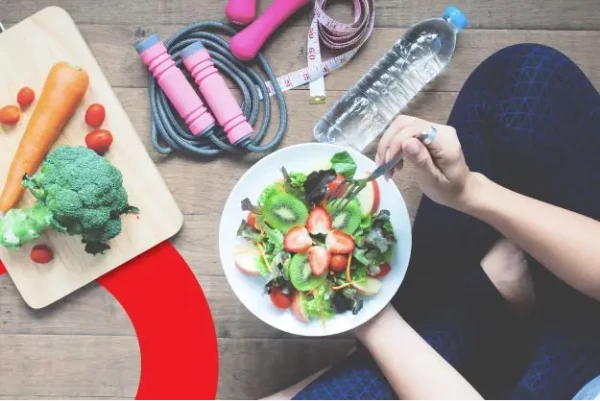
The most effective healthy lifestyle habits are usually simple actions that support the body and mind when practiced consistently. They do not require an extreme diet, an expensive wellness program, or a perfect daily routine. Instead, they focus on essential areas such as nutrition, physical activity, sleep, hydration, stress management, and social connection.
1. Eat a balanced and nutritious diet
Eating a balanced and nutritious diet is one of the most important healthy lifestyle habits because food provides the energy and nutrients your body needs every day. A balanced approach generally includes a variety of vegetables, fruits, whole grains, protein sources, and healthy fats. Choosing different foods helps provide a wider range of vitamins, minerals, fiber, and other nutrients that support normal body functions.
Healthy eating does not mean eliminating every food you enjoy or following strict rules at every meal. A sustainable diet allows room for flexibility while making nutritious options the foundation of your regular routine. For example, you can build meals around vegetables, lean protein, and whole grains while still enjoying desserts, restaurant meals, or traditional foods in reasonable portions.

2. Stay physically active throughout the week
Regular physical activity is one of the most valuable healthy lifestyle habits because it supports both physical and mental well-being. Movement helps strengthen the muscles, maintain mobility, improve endurance, and make everyday tasks easier to perform. It can also contribute to better sleep, improved mood, and a greater sense of energy throughout the day.
Staying active does not mean that every workout must be intense or time-consuming. Walking, cycling, swimming, dancing, stretching, gardening, and playing recreational sports can all contribute to a more active lifestyle. The most effective form of exercise is usually one that you enjoy and can practice consistently. A realistic routine is more beneficial in the long term than an overly demanding plan that becomes difficult to maintain.
3. Drink enough water every day
Staying properly hydrated is one of the most essential healthy lifestyle habits because water is involved in nearly every major function of the body. It helps regulate body temperature, supports digestion, transports nutrients, lubricates joints, and allows the body to remove waste efficiently. Even mild dehydration can affect how you feel and may contribute to tiredness, headaches, difficulty concentrating, or reduced physical performance.
The amount of water a person needs can vary depending on age, body size, activity level, climate, diet, and overall health. Someone who exercises regularly or spends time in hot weather may need more fluids than a person with a less active routine. Rather than focusing only on a fixed number of glasses, it can be more practical to pay attention to thirst, energy levels, and other signs that your body may need more hydration.
4. Get enough quality sleep every night
Getting enough quality sleep is one of the most important healthy lifestyle habits because rest affects nearly every area of physical and mental well-being. While you sleep, the body carries out essential processes related to recovery, memory, hormone regulation, immune function, and tissue repair. A consistent sleep routine can help you feel more alert, emotionally balanced, and prepared to handle daily responsibilities.
Sleep is not only about the number of hours spent in bed. Quality also matters. A person may sleep for several hours and still wake up feeling tired if their rest is frequently interrupted or if their sleep schedule changes dramatically from one day to the next. Deep, uninterrupted sleep allows the body and brain to move through the different stages of rest needed for proper recovery.
5. Manage stress in healthy ways
Learning to manage stress is one of the most important healthy lifestyle habits because stress can affect both the mind and the body. Difficult situations are a normal part of life, and it is not always possible to remove every source of pressure. However, developing healthier responses can make stress feel more manageable and prevent it from controlling your daily routine.
Stress may come from work, finances, relationships, health concerns, family responsibilities, or major life changes. It can also develop from smaller pressures that accumulate over time, such as lack of sleep, constant notifications, long commutes, or an overloaded schedule. When these demands continue without enough rest or recovery, you may begin to feel irritable, distracted, tired, or emotionally overwhelmed.

6. Maintain strong and supportive relationships
Maintaining strong and supportive relationships is one of the most meaningful healthy lifestyle habits because social connection plays an important role in emotional well-being and daily quality of life. Healthy relationships can provide comfort, encouragement, companionship, and a sense of belonging. They can also make difficult periods feel more manageable by reminding you that you do not have to face every challenge alone.
Supportive relationships are not defined by the number of people you know. A small circle of trustworthy friends, relatives, colleagues, or community members can be more valuable than a large network of superficial connections. What matters most is the quality of the relationship and whether both people feel respected, heard, and able to communicate honestly.
7. Avoid smoking and limit alcohol consumption
Avoiding tobacco and reducing alcohol intake are among the most important healthy lifestyle habits for protecting long-term health. Unlike many wellness trends that promise quick results, these changes address behaviors with well-established effects on the heart, lungs, brain, liver, immune system, and other parts of the body.
Smoking affects much more than the respiratory system. Cigarette smoke exposes the body to harmful substances that can damage tissues and interfere with normal organ function. Smoking is associated with cancer, heart disease, stroke, chronic obstructive pulmonary disease, type 2 diabetes, reproductive problems, and immune-system disorders.
8. Practice good personal hygiene and preventive care
Practicing good personal hygiene and keeping up with preventive care are essential healthy lifestyle habits because they help reduce avoidable health risks and make it easier to identify potential problems before they become more serious. Hygiene focuses on the everyday actions that keep the body and surroundings clean, while preventive care includes medical checkups, dental visits, vaccinations, screening tests, and conversations with qualified healthcare professionals.
Personal hygiene does not need to involve an expensive collection of products or a complicated routine. It begins with consistent basic care, such as washing your hands, bathing regularly, caring for your teeth, keeping your nails clean, wearing clean clothes, and covering coughs and sneezes. The CDC describes personal hygiene as the regular cleaning of the body and hair, hand and foot washing, nail grooming, facial care, respiratory etiquette, and appropriate menstrual hygiene.
9. Maintain a healthy work-life balance
Maintaining a healthy work-life balance is one of the most practical healthy lifestyle habits for protecting your energy, relationships, and emotional well-being. Work is an important part of life, but it should not consume every hour or leave you feeling permanently exhausted. A balanced routine creates space for professional responsibilities while also protecting time for rest, family, friendships, exercise, hobbies, and personal care.
Work-life balance does not always mean dividing your time equally between work and personal activities. Some weeks may require additional professional effort, while other periods may allow more time for relaxation or social connection. The goal is to create a sustainable rhythm in which demanding periods are followed by appropriate recovery instead of becoming the permanent standard.
10. Spend time outdoors and stay connected with nature
Spending time outdoors is one of the most accessible healthy lifestyle habits because it can support movement, relaxation, social connection, and a healthier break from screens. You do not need to travel to a national park or live near the countryside to benefit from outdoor time. A neighborhood walk, a quiet moment in a garden, lunch in a public park, or a few minutes on a balcony can help you create a stronger connection with your surroundings.
Modern routines often involve long periods indoors. Many people move from their homes to cars, offices, classrooms, stores, and other enclosed spaces without spending much intentional time outside. Remote work and digital entertainment can make indoor routines even more common. Although technology provides convenience, remaining connected to devices throughout the day may leave little room for movement, mental rest, or awareness of the natural environment.
Conclusion: How to make healthy lifestyle habits last
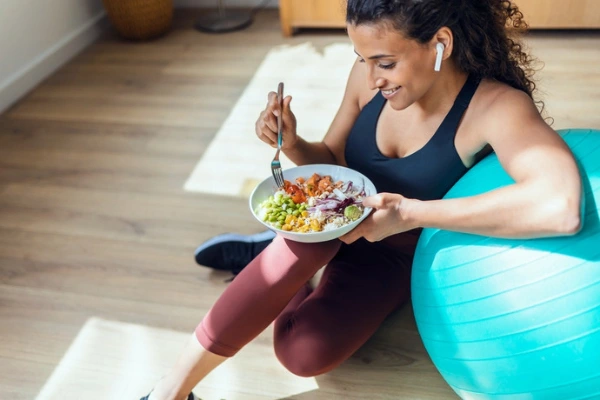
Creating a better life does not depend on making dramatic changes all at once. In most cases, lasting improvement comes from repeating small, practical actions until they become part of your normal routine. The most effective healthy lifestyle habits are not the ones that look impressive for a few days, but the ones you can continue during busy weeks, stressful periods, travel, celebrations, and unexpected changes.
Eating a balanced diet, staying active, drinking enough water, sleeping well, managing stress, maintaining supportive relationships, avoiding harmful substances, practicing preventive care, protecting your personal time, and spending time outdoors all contribute to overall well-being.